ICHRA Broker in Alaska
How ICHRA plans work for Alaska employers, including the subsidy shift reshaping the math for small businesses statewide.

How ICHRA plans work for Alaska employers, including the subsidy shift reshaping the math for small businesses statewide.
How ICHRA plans work for Alaska employers, including the subsidy shift reshaping the math for small businesses statewide.
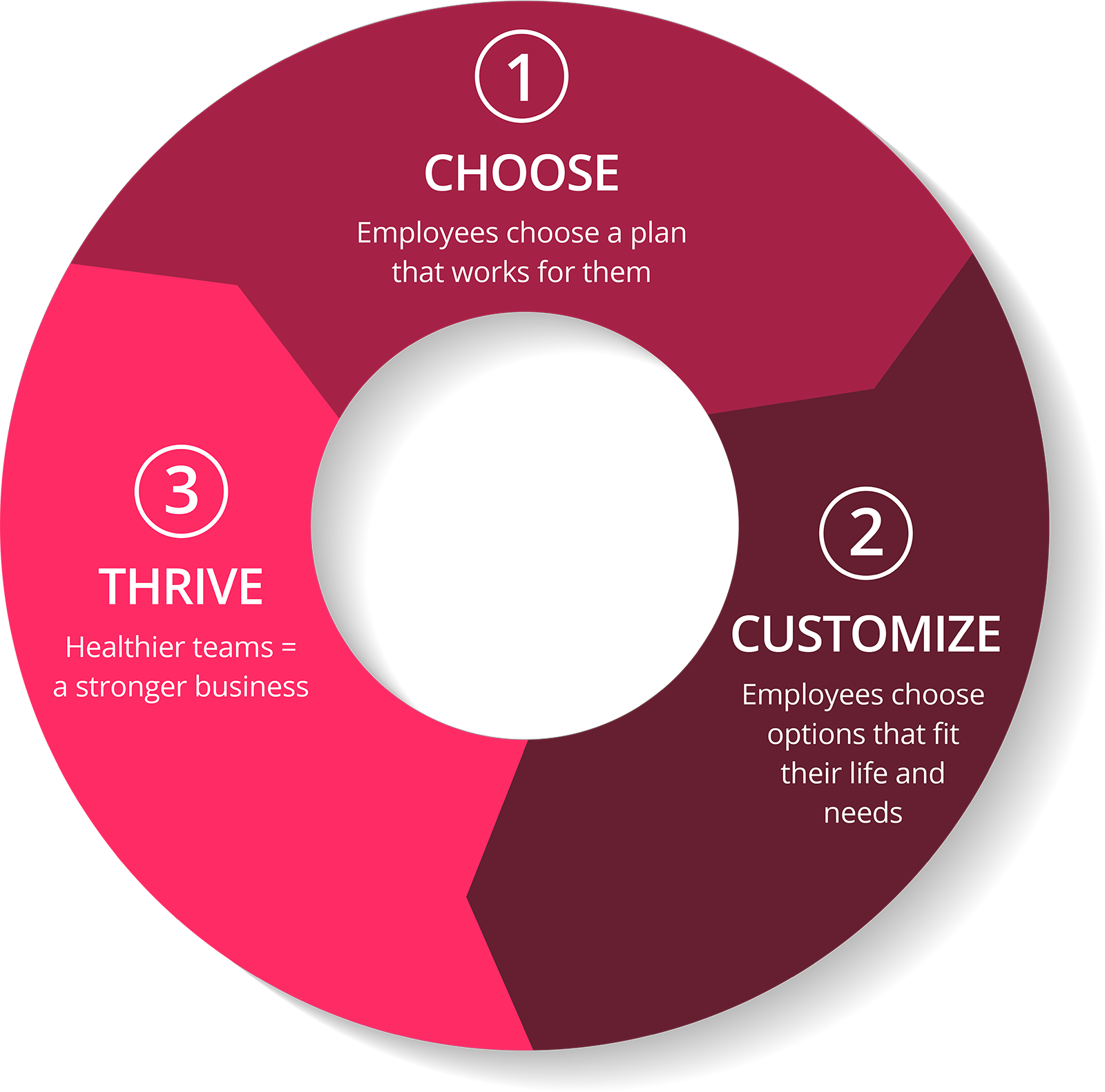
Individual Coverage Health Reimbursement Arrangement, or ICHRA, gives you a way to fund employee health coverage without locking into one group plan at Alaska’s rates. You set a fixed monthly reimbursement per employee, and they shop for their own individual plan off the ACA exchange.
What they get back is tax free. What you contribute is tax deductible. The structure keeps the same tax treatment as a traditional group plan, just with more flexibility built in for a workforce spread across the state.
Alaska has historically classified more services as essential health benefits than most states, things like adult vision care, which pushed federal subsidy support higher too. New federal rules are standardizing what counts as essential nationwide, and Alaska’s subsidy coverage is expected to drop sharply once the change phases in over 2027 and 2028. That’s a real shift, and it’s one reason more Alaska employers are exploring ICHRA now instead of waiting.
We’re not guessing at how this plays out locally. Our team has already helped set up two Alaska ICHRA groups, so we’ve seen firsthand what works here and what doesn’t.


We start by collecting a census of your team and running quotes both ways: a traditional group plan and an ICHRA. Comparing the two side by side is the only honest way to know which one actually costs less for your business.
If ICHRA wins out, we bring in a third-party administrator to manage enrollment. For teams based only in Alaska, that’s usually PeopleKeep. For crews working out of state, seasonal fishing or oil field teams, for example, we typically use Remodel Health, licensed in all 50 states. Employees shop for their own plan through the administrator’s platform and submit for reimbursement up to your set amount. You decide the dollar figure, they decide the plan.

Seasonal operations in fishing, tourism, or hospitality with workforces that shift through the year
Employers with remote or rural teams spread across multiple communities

Employers who want to cap their monthly cost commitment instead of absorbing whatever group premiums do next
Businesses with contractors or crew working outside Alaska part of the year

Let’s schedule an appointment or jump on a call.
Is ICHRA cheaper than a group plan in Alaska?
A: It depends on your team’s size, ages, and whether employees currently qualify for marketplace subsidies. Given how high group premiums already run here, the answer varies more in Alaska than it might elsewhere, which is why we run both numbers before recommending anything.
Why does the subsidy change matter if it doesn’t take effect until 2027 or 2028?
A: Because plan decisions made now shape what your team is used to by the time it hits. Employers who get ahead of it can phase in a strategy instead of scrambling when subsidies drop.
What’s the difference between ICHRA and a Qualified Small Employer HRA (QSEHRA)?
A: QSEHRA is a smaller version that lets employees keep any premium tax credit they qualify for, something a full ICHRA doesn’t allow. It tends to fit very small employers who can’t fund a full reimbursement amount.
Does Ark manage the compliance side?
A: We handle the insurance strategy, quotes, plan design, and coordination with your administrator. For payroll filings or ACA reporting, we bring in compliance specialists and point you toward a CPA for anything tax-specific.
How do we start?
A: Send us a census of your team. We’ll run the group and ICHRA numbers side by side, then walk through what fits your business specifically.