Travel Insurance in Alaska
Travel insurance for Alaskans through Ark Insurance Solutions. Real coverage for medical emergencies, evacuation, trip cancellation, and baggage loss — from licensed brokers who know how insurance actually works.

Travel insurance for Alaskans through Ark Insurance Solutions. Real coverage for medical emergencies, evacuation, trip cancellation, and baggage loss — from licensed brokers who know how insurance actually works.
Travel insurance for Alaskans through Ark Insurance Solutions. Real coverage for medical emergencies, evacuation, trip cancellation, and baggage loss — from licensed brokers who know how insurance actually works.
Alaska health insurance runs on a narrow network. Moda covers a handful of regions; Premera stretches further. Either way, the moment you leave the state, your coverage starts getting thin. Go international and it may disappear entirely.
Travel insurance picks up where your health plan leaves off. It covers emergency medical care outside your network, evacuation from remote locations, trip cancellation costs, and a long list of scenarios your standard policy wasn’t built to handle. It’s not a replacement for your health coverage. It’s the layer that works when your health coverage can’t.

Most Lower 48 residents buying travel insurance are thinking about their international trips. Alaskans have a different set of problems.
For one, leaving Alaska often costs more. Flights out of Anchorage, Fairbanks, or Juneau involve multiple connections and longer travel windows. More legs means more chances for something to go wrong. A delay that inconveniences someone flying out of Seattle can strand an Alaskan traveler for a full extra day.
Then there’s the domestic coverage problem. Because Alaska’s insurance market runs on such a tight network, a medical event in Seattle, Denver, or Chicago can generate out-of-network bills that hit hard. Your plan wasn’t built for that. Travel insurance is.
And for Alaskans who live in rural communities or travel in-state to fish, hunt, or explore remote terrain, evacuation coverage matters in a way that most people never have to think about. Getting airlifted from the Brooks Range or rescued off a river in the bush is not a hypothetical. It happens, and the bills are serious.

This is the coverage most people underestimate. Outside your Alaska network, emergency medical treatment is expensive and your health plan may cover far less than you expect. Travel medical coverage pays for that care, usually with no deductible, and it’s designed to work in the billing systems of other countries. If you’re admitted to a hospital in Amsterdam and need prior authorization that your U.S. carrier can’t navigate quickly, a travel medical plan handles it. Your regular health plan probably won’t.

Covers the prepaid, non-refundable costs of a trip you have to cancel or cut short. Qualifying reasons vary by plan — illness, injury, a death in the family, weather, job loss, and others. Trip interruption also covers the cost of getting home early when something forces you to leave.
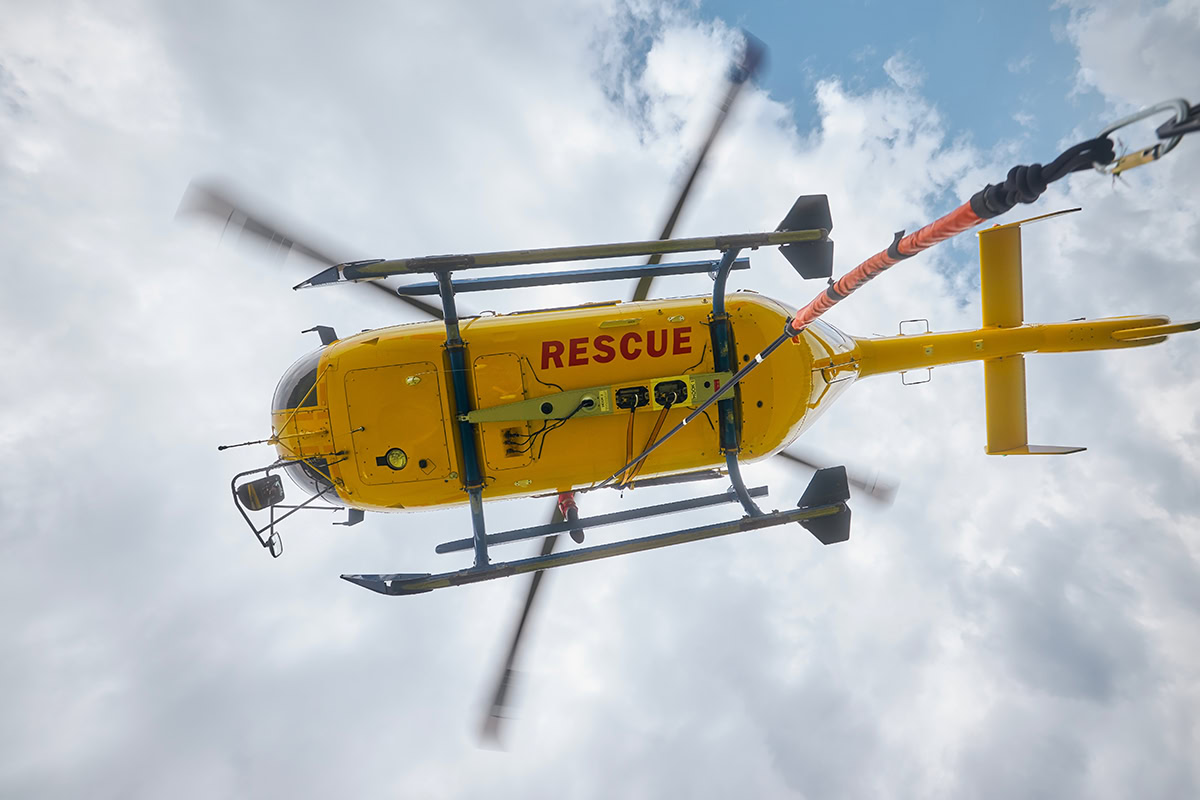
Air ambulances cost real money. A medevac from a remote Alaskan location to a hospital in Anchorage, or a transport from a foreign hospital to one in the U.S., can run anywhere from tens of thousands to well over $100,000. Evacuation coverage handles that bill, and the better plans let you choose your hospital rather than just sending you to the closest one.
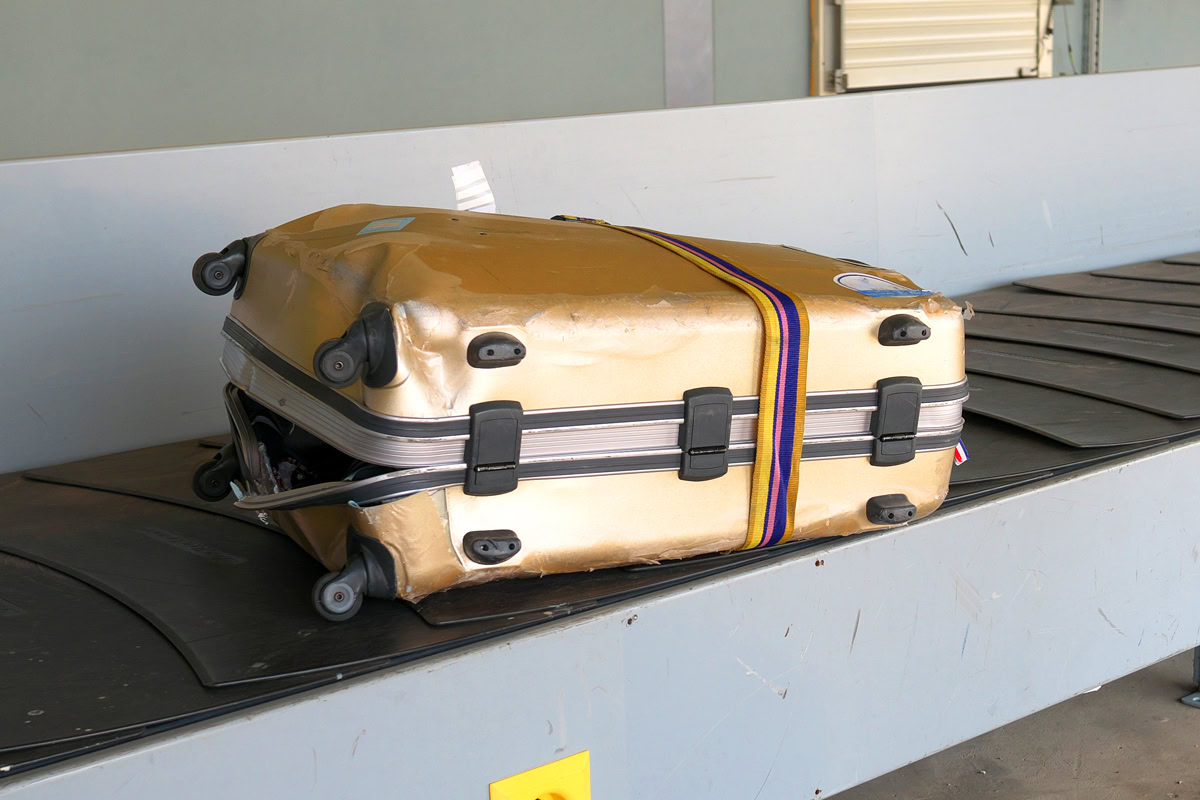
Anyone who’s connected through Seattle or Salt Lake knows the bags don’t always make it. Baggage delay coverage reimburses you for essentials you need to buy while you’re waiting. Baggage loss goes further if the airline doesn’t recover them at all.

If you’re stuck in an airport for six or more hours, trip delay coverage pays for meals, lodging, and other reasonable costs while you wait. For Alaskans dealing with weather delays or missed connections on multi-leg flights, this one gets used.
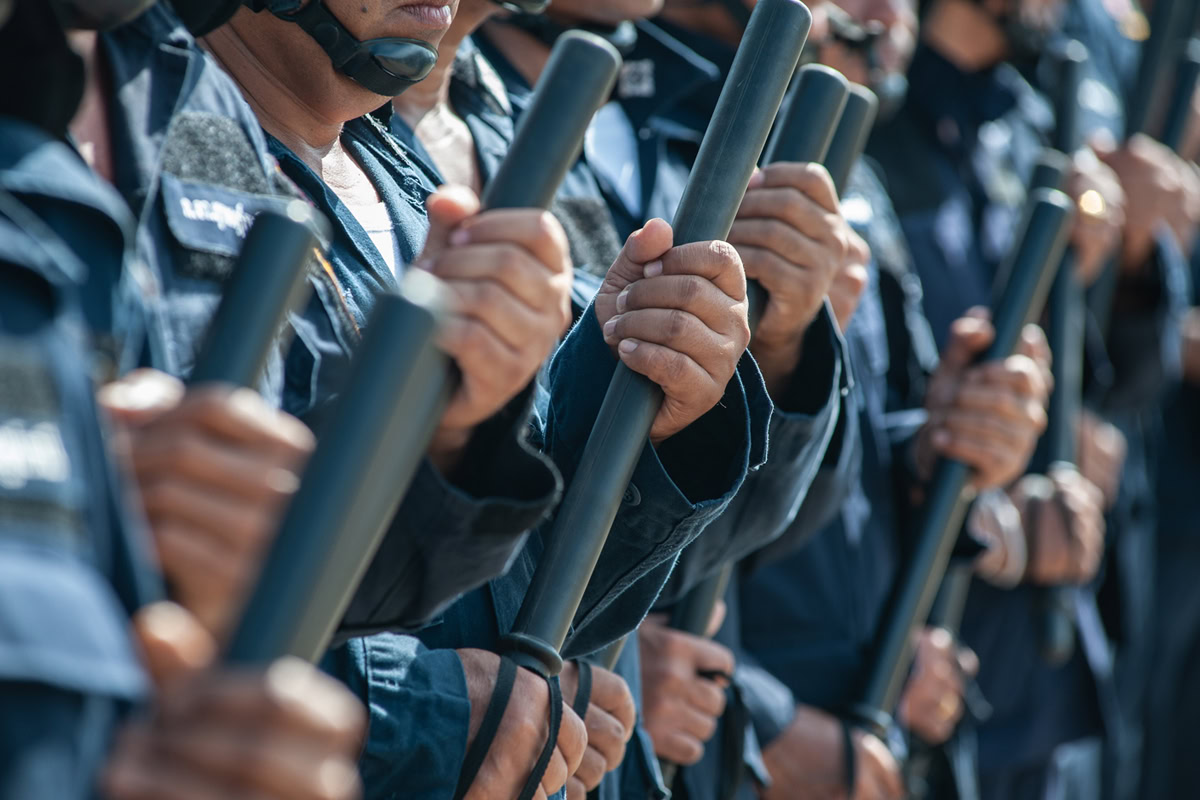
Covers evacuation costs if you’re abroad and a security situation, civil unrest, or political emergency makes it unsafe to stay. You hope this never applies. It’s the kind of coverage that matters most when you least expect to need it.

A 24-hour line staffed by people who can help you find a doctor, coordinate care, translate for you, replace a lost passport, or connect you with legal help if something goes wrong abroad. It’s the part of travel insurance that doesn’t show up on the benefits grid but often turns out to be the most valuable.
Not all plans are the same, and the difference matters. Some have primary medical coverage — meaning they pay first, before your health plan. Others are secondary. Some include pre-existing condition waivers; others don’t. Choosing wrong usually only becomes obvious when you’re filing a claim.
The time-sensitive period matters. Most plans require purchase within 14 to 21 days of your initial trip deposit to unlock pre-existing condition waivers and cancel-for-work-reasons benefits. Waiting until a week before departure is fine, but you’ll leave those protections on the table.
Submit online, by email, or by fax. Upload your itemized receipts and any documentation the claim requires. Reimbursement comes by direct deposit or check. If you have questions midway through, call your carrier’s claims line — or call us, and we’ll help you sort it out.
If you’re leaving Alaska, probably yes.
Your Alaska health coverage follows its network. Outside that network — whether you’re in Phoenix for a conference or hiking in Patagonia — your protection shrinks. A serious injury, a hospitalization, a medical evacuation, a cancelled trip on a non-refundable itinerary. Those costs fall on you.
You have medical coverage that works wherever you are, evacuation benefits if you need them, and trip cost protection if something forces you to cancel. You also have a number to call at any hour when you’re in a foreign country and don’t know what to do next.
The general rule: if you’re traveling more than 300 miles from home, it’s worth having. In Alaska, that threshold gets crossed whether you’re flying out of the state or across it.
Travel insurance sold through airlines and travel booking sites tends to be whatever the platform has access to. One carrier, one plan, no comparison. The person selling it usually can’t explain what the pre-existing condition waiver requires or why primary coverage matters more than secondary. They’re not insurance people.
We are. And that changes what we can do for you.
We work with multiple carriers — not because we have to offer variety, but because different trips call for different plans. Someone headed to Western Europe needs different coverage than someone doing a fishing trip to Costa Rica or a mission assignment in Southeast Asia. Matching those situations to the right product requires knowing how the coverage actually works.
There’s also a pricing detail most people miss: if you already have U.S. health coverage, indicating that on your application can drop your travel medical premium by a significant amount. Travel agents don’t know to ask. We do.
The other thing worth saying: Alaska’s health insurance market is already complicated. We work in it every day. When a client’s in a foreign hospital and something isn’t going smoothly, they can call us — not an 800 number staffed by someone who’s never heard of Premera.

Your Alaska health plan wasn’t designed for overseas billing systems, foreign hospital networks, or medical care in a country that doesn’t speak your insurance’s language. Travel medical coverage fills that gap directly.
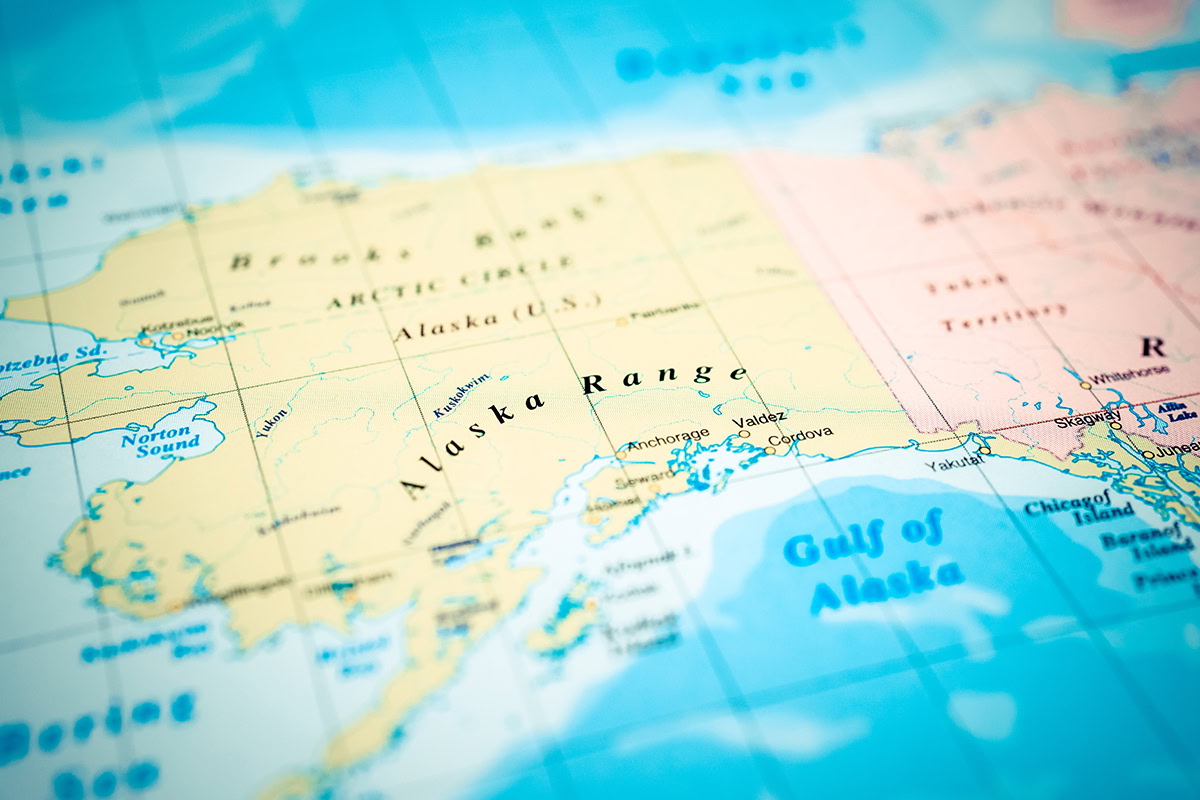
Multi-stop routes through Seattle, Salt Lake, or Seattle mean more exposure to delays, missed connections, and lost bags. The more legs your flight has, the more things can go wrong.
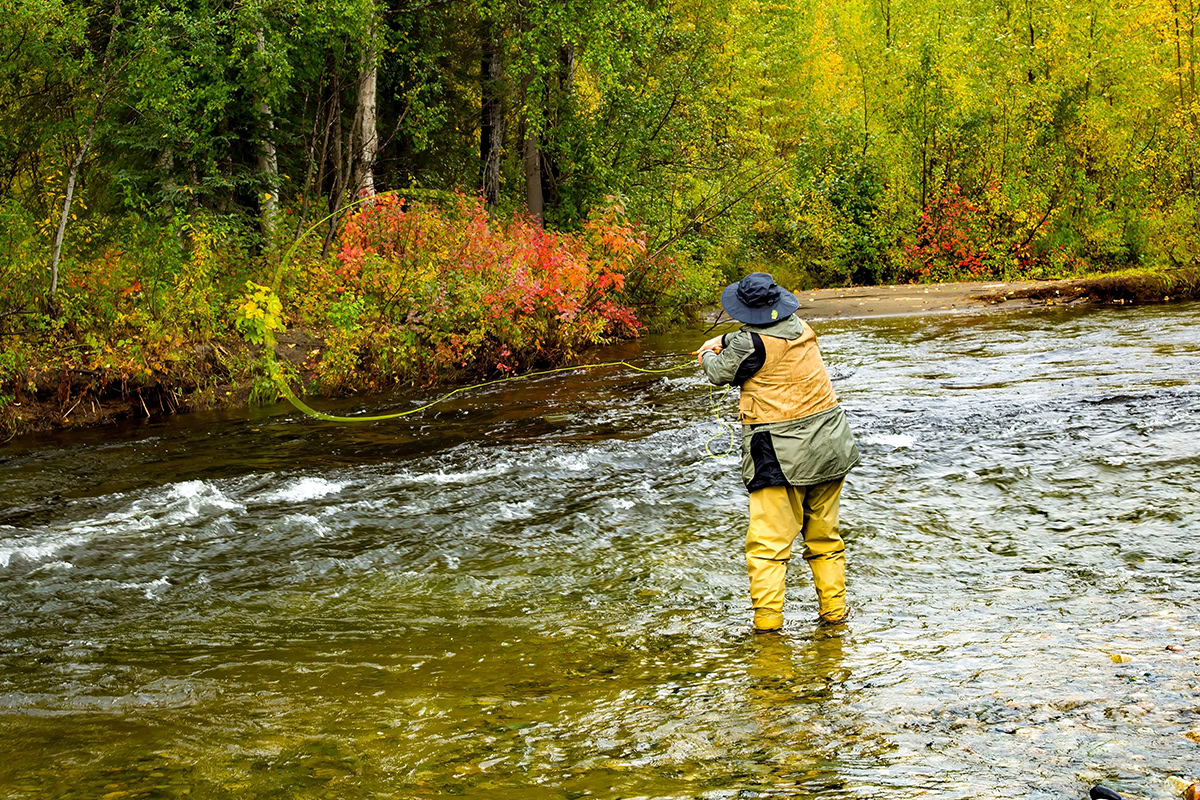
Remote wilderness trips in Alaska carry real physical risk. A broken leg on a fly-in hunting trip or an injury on a river float can require helicopter evacuation. Medical evacuation coverage handles those costs. Without it, you’re self-insuring against a bill most people can’t absorb.
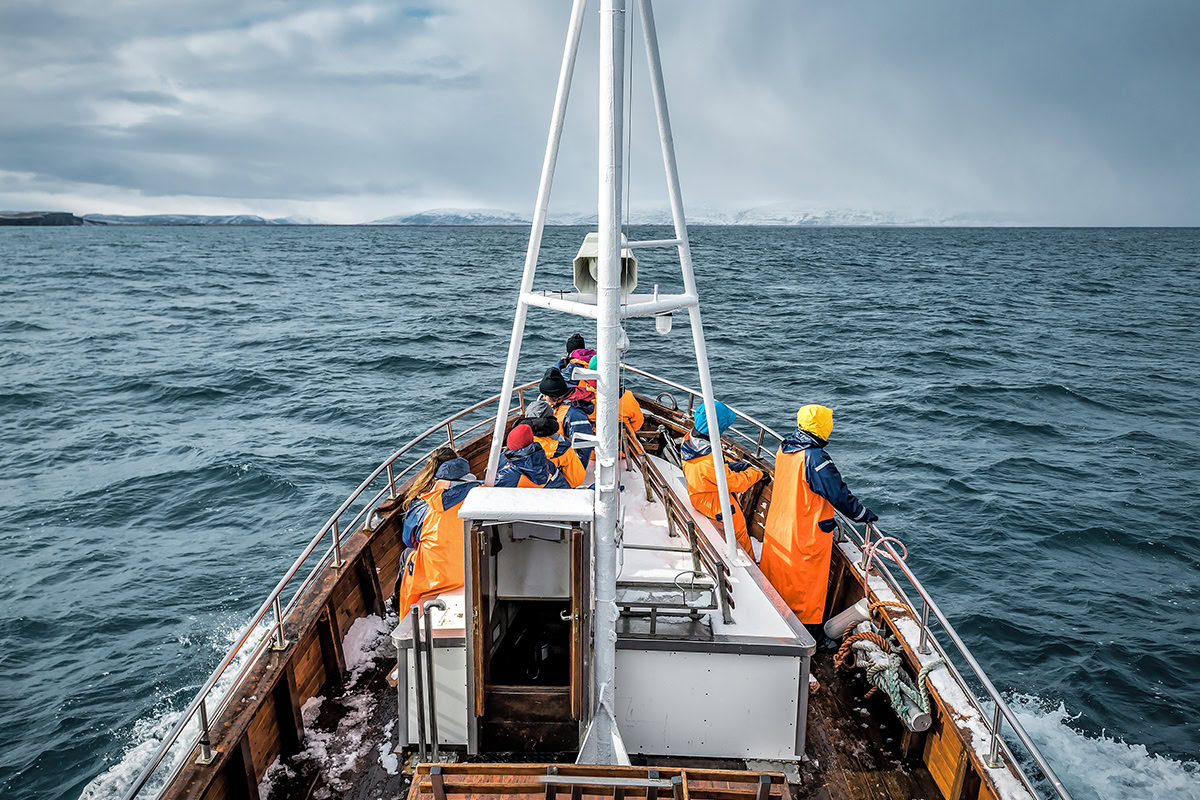
Commercial fishing, cruise work, and other maritime employment puts people in international waters and foreign ports regularly. Standard health plans weren’t built for that. Crew insurance is a different product category, and it’s one we work with.

Extended trips abroad for mission or volunteer work need coverage built for a longer stay, not a vacation plan with a 90-day trip limit. Missionary plans and expat coverage handle this differently.

If you’re making four or more trips a year, an annual multi-trip plan often costs less than buying coverage trip by trip. It also means you don’t have to remember to purchase before each departure.

For most casual travelers, Arch RoamRight plans are a clean starting point — straightforward options for single trips or multi-trip annual coverage. For crew workers, missionaries, expats, or anyone with a more specific situation, we’ll walk you through what’s available and help you choose.
Click the button below to get a quote or explore plan options.
Not sure what you need? Let’s schedule an appointment or jump on a call.

Coverage bought after something goes wrong isn’t coverage. The time to get a travel plan is right after you book — that’s when your pre-existing condition waiver window opens and your full cancellation benefits kick in. Waiting until the week of departure usually still works, but you’ll give up options you didn’t know you wanted.
My Alaska health plan says it covers me anywhere in the U.S. Is that enough?
A: Technically your plan may have some out-of-state coverage, but the details vary a lot. In many cases, out-of-network treatment means higher cost-sharing, prior authorization requirements that are hard to navigate from a hospital in another state, and coverage limits that apply differently than what you’re used to. Travel medical coverage was built specifically for those gaps.
Does the travel insurance at checkout when I buy my flight cover me?
A: Usually not fully. Those products tend to cover trip cancellation and basic baggage delay. Emergency medical coverage, evacuation, political security evacuation, and traveler assistance services are frequently excluded or have very low limits. You’re buying one option because it’s what’s offered, not because it’s the right fit.
I’m going on a fly-in hunting trip inside Alaska. Do I need travel insurance?
A: Medical evacuation coverage is worth considering seriously for any backcountry trip in Alaska. A helicopter rescue from a remote location, even within the state, can be enormously expensive and may not be covered by your health plan. Some travel plans also cover trip interruption if weather forces a cancellation after you’ve paid for guiding fees, licenses, and airfare. Call us and we can walk through what makes sense for your trip.
What’s the pre-existing condition waiver and do I qualify?
A: A waiver means the plan won’t exclude claims related to a condition you had before purchasing. To qualify, you generally need to buy within 14 to 21 days of your first trip deposit, cover the full cost of your trip, and not be medically unable to travel at the time of purchase. If you or anyone on the trip has a chronic condition, buying early matters.
How much does travel insurance cost?
A: Depends on the trip and the plan. Short domestic trips with basic coverage can run under $20. Full medical and evacuation coverage for an international trip is typically 4 to 8 percent of your trip cost. Annual plans that cover all your trips for the year often work out cheaper than per-trip purchases if you travel several times annually.
Do you have plans for commercial fishermen or crew workers?
A: Yes. Crew insurance is a different category from standard travel plans and is built for people working in international waters or foreign ports regularly. We can walk you through what’s available and what fits your work schedule.
When’s the best time to buy?
A: Right after you book. That’s the window that unlocks the most coverage. Most plans can still be purchased up to the day before departure, but the pre-existing condition waiver and cancel-for-work-reasons benefits require early purchase. Don’t wait.